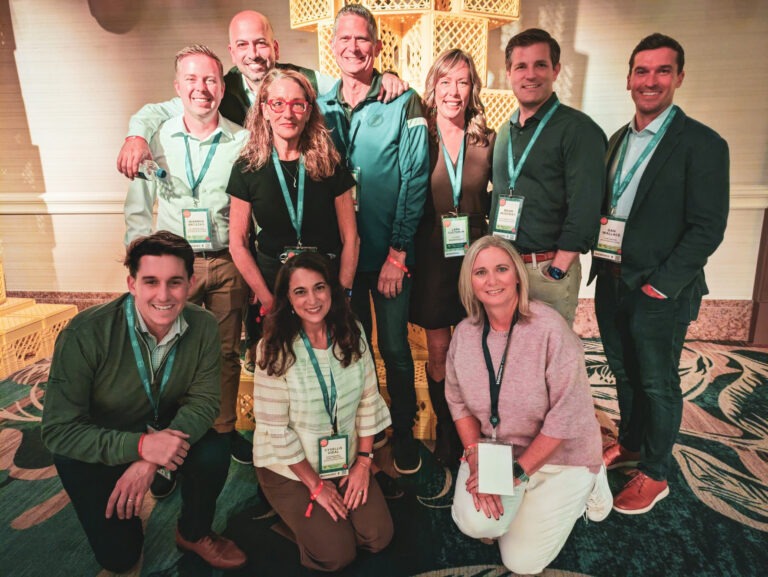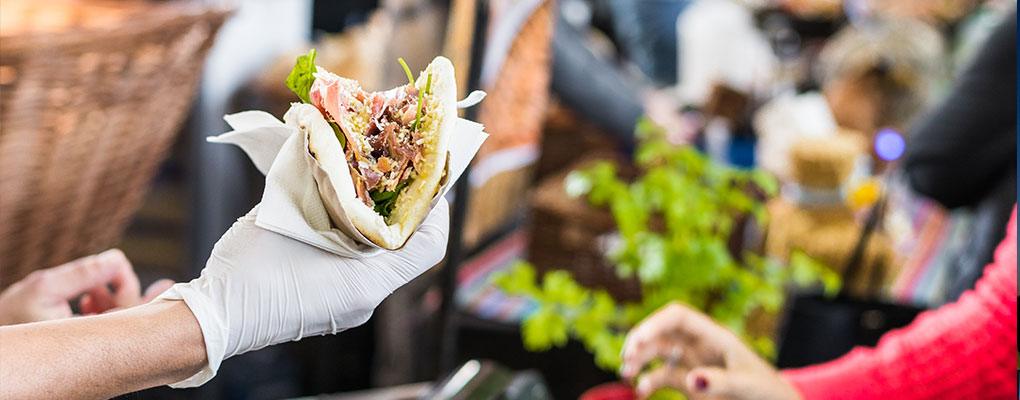
After spending two days at Datassential’s Foodscape 3, my heart, and stomach, are full.
More than 500 foodservice professionals attended the event, September 24–25 in Chicago, which featured culinary experts who challenged us with thought-provoking questions like “What is authentic food?” and “Which foods are most threatened by climate change?”
I immersed myself in critical discussions around topics that are impacting food and foodservice innovation while considering two questions: How does this affect the way we eat and where we eat it? How will manufacturers and foodservice operators be challenged to create new menu items and market them to a changing consumer?
I was on hand when the Foodscape team broke the world record for the longest charcuterie board (150 feet), was treated to the first public tasting of chicken nuggets produced through cellular agriculture and did my best to eat and drink “around the world,” choosing from more than 100 food and drink experiences, including our own CSSI + Culinary chefs’ cocktail recipes showcasing ingredients from Brazil, Japan, Spain and Thailand.
I walked away energized and excited to be working in the world of culinary marketing. Here are my three key takeaways:
Personalized Nutrition Is Changing the Conversation
You Are What You Eat (Literally)
Current thought leadership on health focuses on balanced nutrition. But the next wave of health thinking gets even more personal. Talk at Foodscape 3 centered on the practice of personalized nutrition — eating for your unique genetic blueprint, as scientists have isolated chromosomes linked to individual sensitivities and palate preferences.
Personalized nutrition goes beyond reading product labels or asking for special preparations at restaurants to avoid sodium, gluten, lactose, carbs, sugar or foods that will cause an allergic reaction. Food futurists expect a rise in “DNA diets,” with consumers taking personalized nutrition to a whole new level, making food and drink choices to boost wellness based on individual DNA profiling. Would you stop drinking coffee if your DNA test revealed a sensitivity to caffeine?
This shift in how people eat, think about food, and seek out health-aligned options is central to evolving shopper insights across foodservice and retail.
Innovation and Sustainability Must Work Together
We Need to Feed a Hotter World
The biggest threat of climate change is its negative impact on our food systems, according to Amanda Little, author of Fate of Food, who encouraged attendees to meet the challenge by protecting sustainable farming and embracing technology.
Think about it: 70% of the world’s fresh water is used by farms. The most threatened crops are those that need the most water under traditional growing conditions: coffee, almonds and avocados, for example. But the use of robotics is resulting in more sustainable practices, such as hydroponic farming and precision planting, weeding and harvesting.
Little, Master Chef James Corwell of Ocean Hugger Foods and Keely Wachs of Zume Inc. discussed the urgent need for more sustainable food systems. Corwell has taken the challenge head on, creating plant-based seafood using tomatoes to create umami and flavor profiles that mimic tuna and eel.
Other insights from the panel discussion:
- More innovation is needed to grow key crops in non-natural environments.
- Sustainable practices should not equate to higher prices for consumers.
Global Cuisine Is Going Mainstream
Global Flavors Are Popular — Everywhere
The demand for taste experiences from around the world is ever-growing — and so is accessibility.
The knowledge and ingredients behind Foodscape 3’s 100 global taste experiences were sourced in Chicago. (A notable exception, the traditional Japanese tea ceremony, was brought in from New York City.)
Access to global taste experiences is no longer mostly limited to each coast. Major cities are populated with specialty markets, foods from around the world are making their way into the heartland, and, of course, ingredients can be sourced online.
Diners are embracing foods they are comfortable with that feature a new global twist. Grain bowls? Sure! A grain bowl that calls out za’atar as an ingredient? I’m not sure what za’atar is (a tart and nutty herb and spice blend) or where it originates (the Middle East), but I’ll try it!
Still, food futurists disagree on how consumers will want to experience new foods from around the globe. Some say as diners push their personal boundaries and experience a new cuisine in a restaurant, they’ll want to replicate it at home. Others contend most consumers will want to seek those experiences outside the house almost exclusively and not add them into their at-home repertoire.
One thing is certain: The food industry’s diversity of tastes is matched only by its diversity of thought. That’s my biggest takeaway.